DTF printing is a heat-transfer method for putting full-colour artwork on T-shirts, uniforms, caps and bags. The design is printed on a special film, coated with adhesive powder and pressed onto the fabric, which is why it suits detailed logos and small to medium orders.
This guide explains how DTF printing works, what it can be used on, how it compares with screen printing and DTG, and what to prepare before you ask for a quote in Dubai.
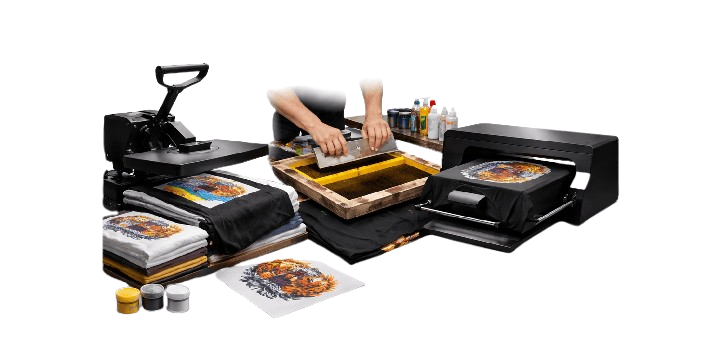
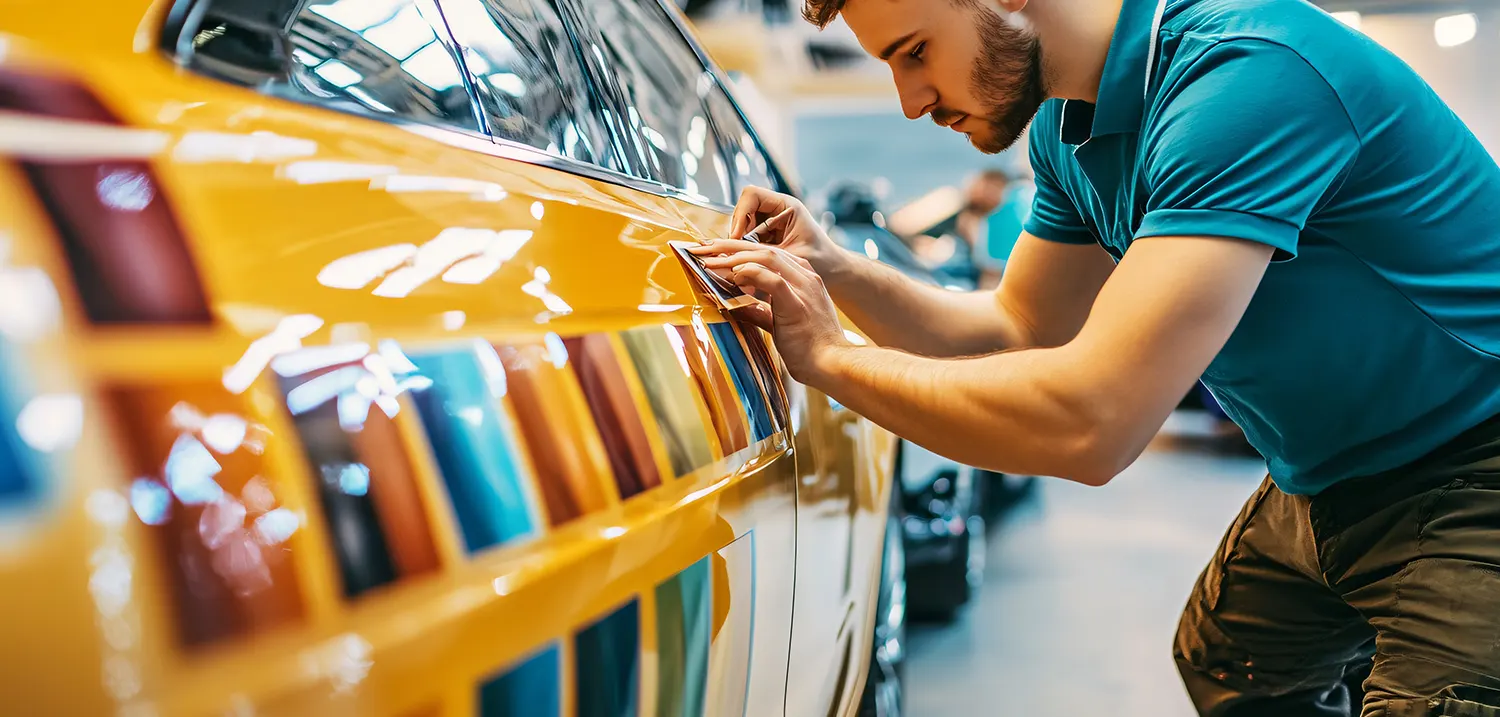
DTF stands for Direct-to-Film. Instead of printing straight onto a garment, the design is printed onto a transfer film with textile inks. The film is then bonded to the fabric using heat and pressure.
Because the artwork is made on film first, the same method can be used on cotton, polyester, blends and many synthetic fabrics. That flexibility is one of the main reasons businesses ask for DTF when they have mixed uniform or merchandise orders.
The artwork is checked for size, resolution and colour before printing. Clean logo files and clear placement instructions reduce corrections later.
The design is printed onto the film using DTF textile inks. Detailed logos, gradients and multi-colour artwork can be reproduced in a single print.
A special adhesive powder is applied to the printed film so the design can bond to the fabric during pressing.
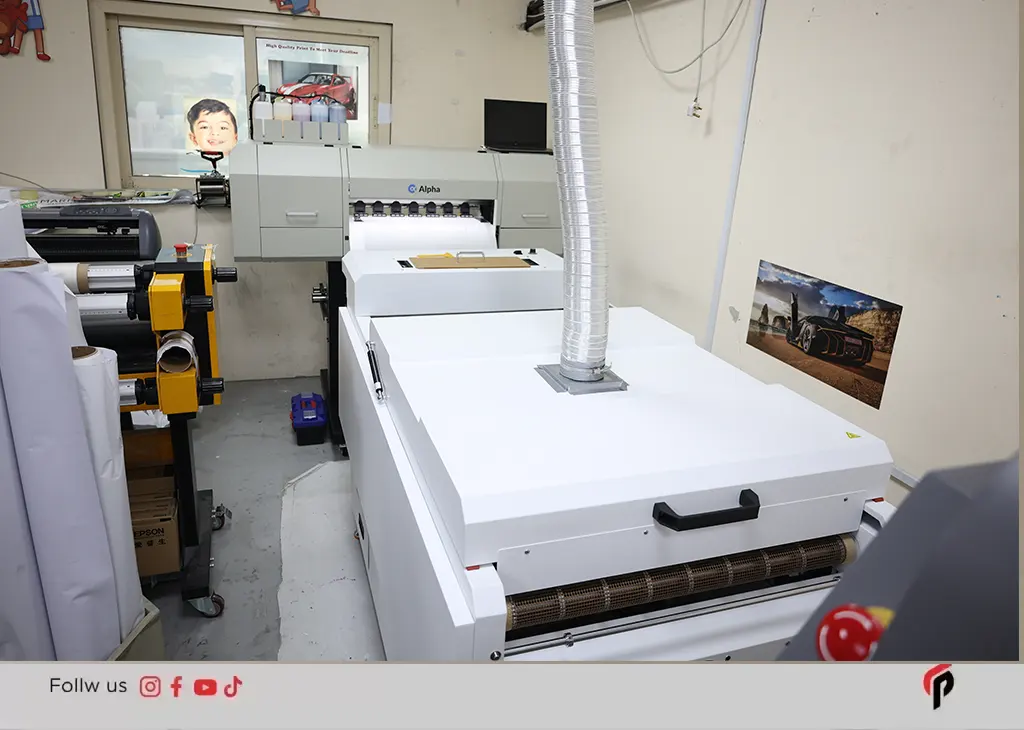
The film is positioned on the garment or bag and transferred with a heat press. Pressing is controlled so the print attaches properly without damaging the item.
Each finished piece is checked for placement, clarity and colour accuracy before handover.
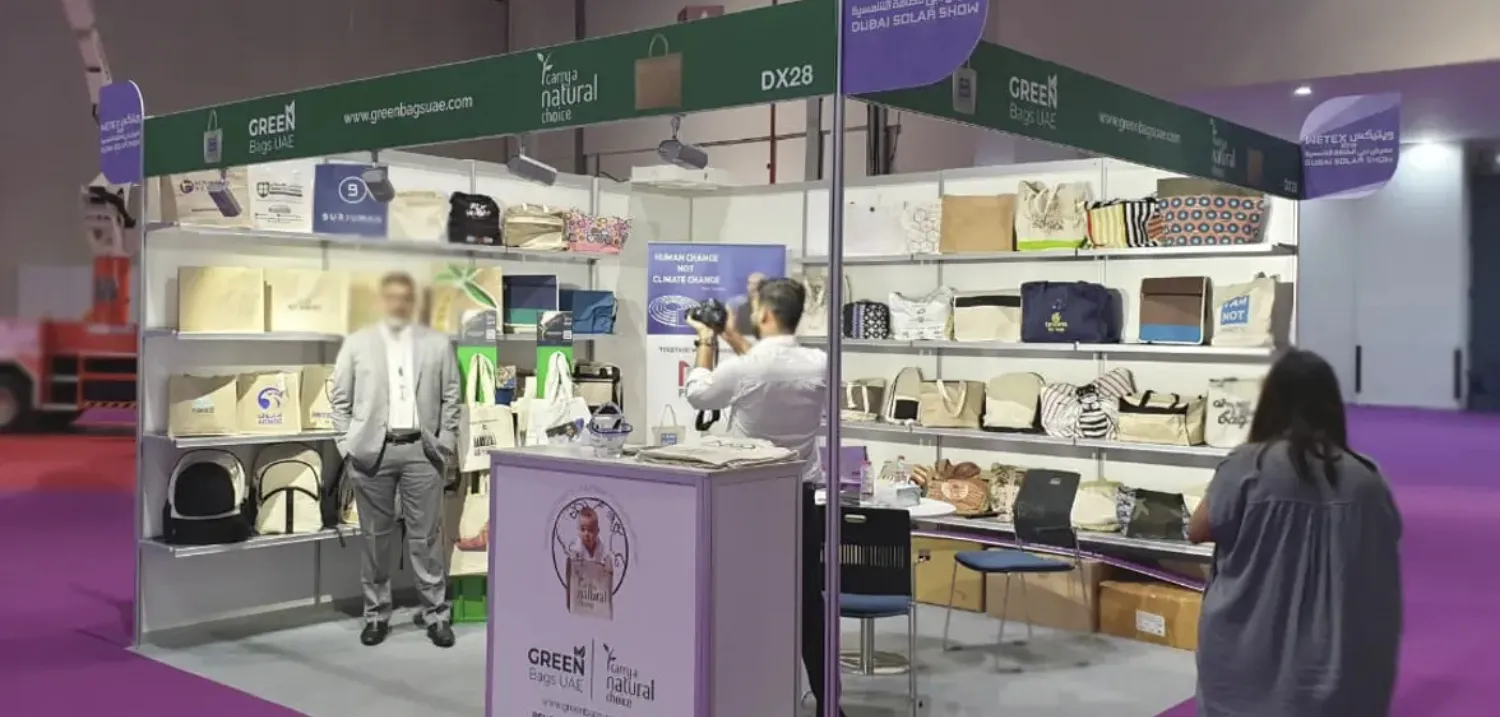
DTF is commonly used for custom T-shirts, corporate uniforms, hoodies and sweatshirts, caps and hats, tote and fabric bags, sportswear and team jerseys, and event merchandise.
It is a practical choice when a company needs the same logo on different garments, or when each batch has different names, sizes or quantities. If you are choosing garments as well, see our custom T-shirt and uniform printing options.
No single method is best for every order. The right choice depends on the fabric, the artwork and the quantity.
| Method | Works best for | Fabrics | Points to consider |
|---|---|---|---|
| DTF printing | Detailed, multi-colour logos on small to medium orders | Cotton, polyester, blends and many synthetics | The print sits on the surface of the fabric, so it can feel different from a dyed or soaked-in finish |
| Screen printing | Very large production runs with simple colour artwork | Depends on the ink system used | Each colour usually needs its own screen, so complex artwork and small runs are less practical |
| DTG (direct-to-garment) | Photographic prints on garments | Works best on cotton and cotton-rich fabrics | Less flexible across fabric types than DTF |
If your order is very large and the artwork is simple, ask about screen printing as well. For a mixed order with detailed artwork, DTF is often the more practical route.
DTF reproduces fine detail, gradients and several colours in one print. It does not need the garment pre-treatment that some other methods require, and it works across several fabric types. Prints are durable and wash-resistant when they are made and cared for correctly.
The print sits on top of the fabric, so you may notice a slight difference in feel compared with other methods. Very large bulk runs of a one- or two-colour design may be cheaper with screen printing. Durability also depends on correct pressing and on following the care instructions you are given at handover.
Send your logo as a vector file such as AI, EPS or PDF where possible. If you only have an image file, send the largest, highest-quality version available rather than a screenshot or a small web image.
Tell us the garment type, colour and size range, where the print should sit, and the approximate print size. A dark garment, a stretchy fabric or a bag with seams can change how the design should be placed, so mention them in your enquiry.
Follow the care instructions provided with your order. As general good practice, turn printed garments inside out before washing, avoid harsh chemicals and avoid ironing directly on the print.
DTF printing is commonly used for T-shirts, hoodies, uniforms, caps, tote bags and promotional apparel. It suits businesses that need detailed logos or mixed garment orders.
DTF prints are designed to be durable and wash-resistant when they are pressed correctly and cared for as instructed. Ask for the care guidance for your specific garment at handover.
DTF can be used on cotton, polyester, blends and many synthetic fabrics, which makes it more versatile than methods limited to cotton. Confirm unusual or heat-sensitive fabrics before ordering.
DTF is a strong choice for small to medium orders and complex designs, while screen printing is typically better suited to very large bulk production. The best method depends on your artwork, fabric and quantity.
Yes, DTF is well suited to smaller runs because the design is printed on film rather than needing a separate screen for each colour. Send your quantity and artwork so we can confirm the details.
Send your artwork, garment type, quantity and deadline through our DTF printing service page, and tell us if you also need design support or a sample check before the full run.
Golden Adds is the brand of Golden Point Advertising LLC, established in 2002, at Warehouse No 8, Al Qusais Industrial Area 5, Dubai. Request a quote on WhatsApp, call +971 4 370 5277, or email [email protected].


Golden Point Advertising LLC, founded in 2002, is a top branding company in Dubai specializing in digital printing, signage, and vehicle branding solutions, delivering premium, customized services to maximize brand visibility and business impact.